
If you’ve spent any time online, you’ve probably fallen victim to clickbait at some point. For instance, you may be searching for where to buy TikTok followers, but then you find yourself in something misleading. Those irresistible headlines that lure you in with promises of shocking revelations or unbelievable stories can be hard to resist. But did you know that using clickbait on your website can actually harm your SEO? That’s right, those attention-grabbing tactics could end up doing more damage than good. In this article, we’ll explore the surprising ways that clickbait affects SEO and why it might be best to avoid it altogether. So get ready for a wild ride.
A High Bounce Rate
 Lots of data analytical studies concluded that when users click on a headline and find that the content doesn’t live up to their expectations, they’re likely to leave your site quickly. It leads to a higher bounce rate. That is when visitors give your page a visit but then leave without interacting with it. Search engines like Google use bounce rates as an indicator of user engagement and satisfaction. If many people are bouncing away from your site after clicking through from search results, it suggests that your content might not be providing value or relevance to those users. Ultimately, it will lower search engine rankings over time because Google wants to provide its users with the best possible experience.
A Vein Metric and Wrong Traffic
One of the most damaging effects of clickbait on SEO is the presence of a vein metric and wrong traffic. Clickbait headlines may attract clicks, but they often bring in visitors who have no real interest in the content itself. As a result, they are more likely to leave quickly without engaging with other pages on the site. This high bounce rate sends a remark to search engines, claiming that your content is not relevant or valuable to users, which can cause your rankings to drop over time. Not only does this hurt your website’s visibility in search results, but it also harms its overall credibility. When users consistently find thin or irrelevant content after clicking through from sensationalized headlines, they may grow wary of trusting any future content from your brand.
Damage to Brand Credibility
Clickbait can be very tempting for website owners since it promises increased traffic and engagement. But in reality, clickbait can have a negative impact on your brand credibility. When users visit your site with the expectation of finding relevant information but instead find misleading content or ads, they are more likely to lose trust in your brand. This loss of trust is not only limited to that single article but may also affect how users perceive your entire website and business. This can lead to a decrease in returning visitors and ultimately harm your online reputation. It will be worse if you promote products or services through clickbait.
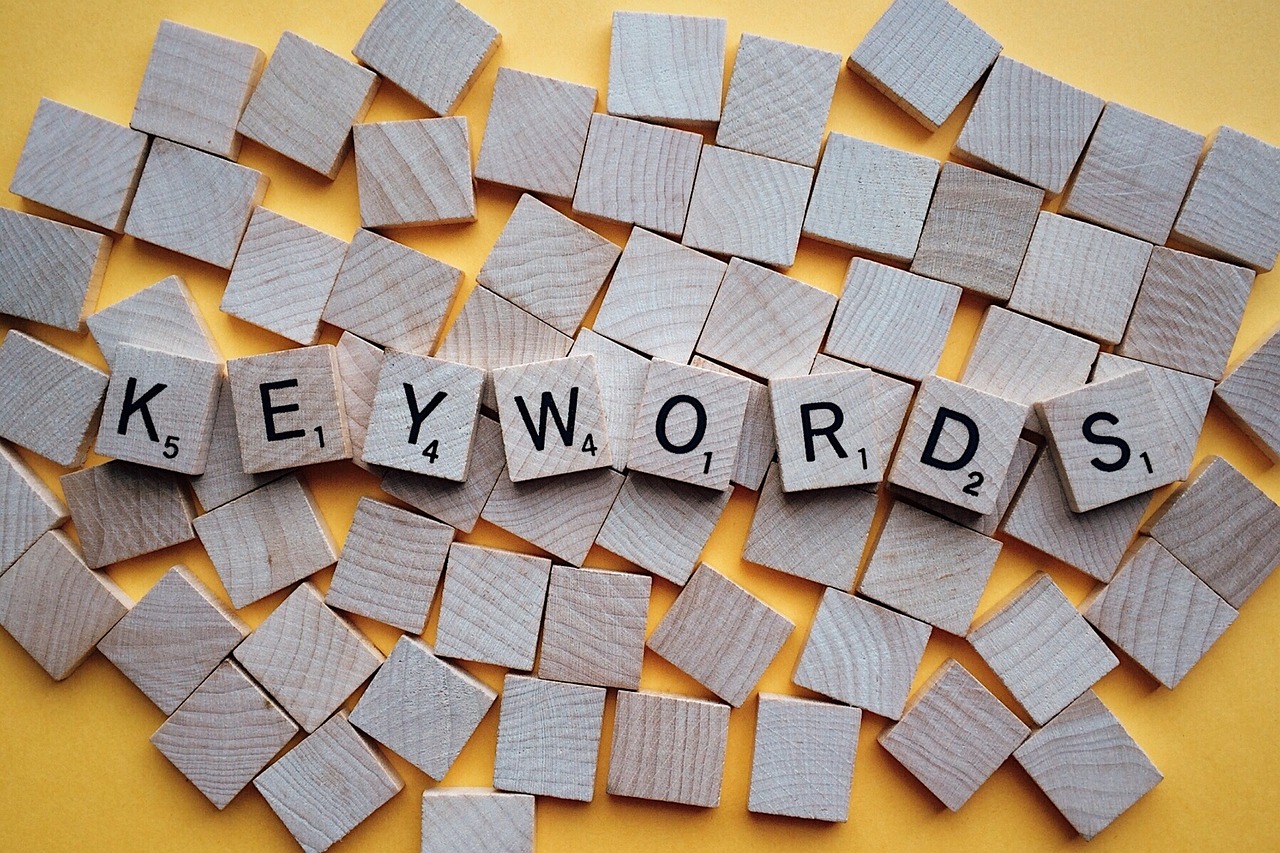
Loss of Important Keywords
To grab the best place in SERPs, websites must use relevant keywords throughout their content and meta tags. However, clickbait can negatively impact a website’s keyword strategy. When creating clickbait headlines or content, writers often prioritize sensational language over relevant keywords. This means that the actual topic of the article may not match the keywords used in the headline or meta description. As a result, when users visit the webpage and quickly bounce off due to inaccurate or irrelevant information, search engines like Google may think of it as a sign that your website is not providing valuable content for those specific keywords. This can lead to lower rankings for those important keywords.
Clickbait may seem like an attractive strategy for boosting website traffic and engagement, but it can eventually kill your SEO rather than improve it. Instead of resorting to clickbait tactics that could ultimately hurt your website’s ranking on search engines like Google, focus on creating high-quality content that shares the same resonances with your target audience.